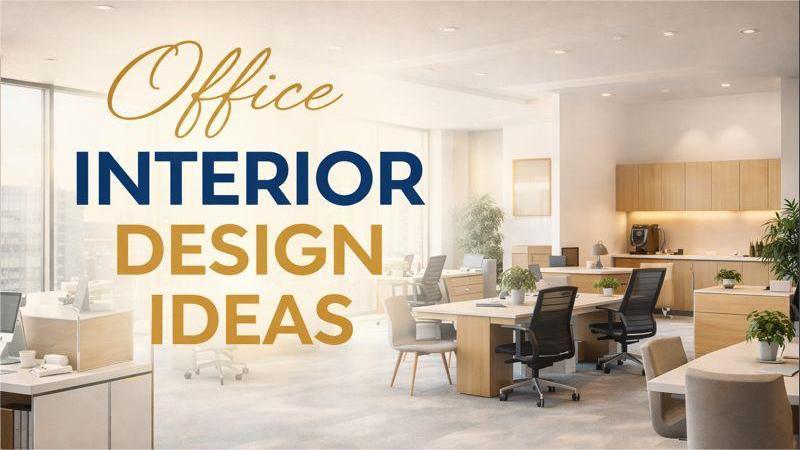
Office interior design plays a crucial role in shaping productivity, creativity, and employee well-being. A thoughtfully designed office not only enhances work efficiency but also reflects your brand identity and professionalism. Whether you are designing a corporate office, a startup workspace, or a home office, the right interior design choices can create an inspiring and functional environment.
1. Focus on Functional Layout Planning
A well-planned layout is the foundation of good office design. Allocate space efficiently for workstations, meeting rooms, collaborative zones, and relaxation areas. Clear pathways and organized zones improve workflow and reduce distractions.
2. Choose Ergonomic Furniture
Comfortable and ergonomic furniture is essential for employee health and productivity. Invest in adjustable chairs, proper desks, and workstations that support good posture. Ergonomic furniture helps reduce fatigue and increases long-term efficiency.
3. Use a Professional Color Palette
Color has a strong impact on mood and performance. Neutral shades like white, grey, and beige create a clean and professional look, while accent colors such as blue or green promote focus and calmness. Avoid overly bright colors that may cause distractions.
4. Maximize Natural Light
Natural light improves mood, energy levels, and productivity. Use glass partitions, open layouts, and light curtains to allow daylight to flow throughout the office. Well-lit spaces feel more welcoming and reduce the need for artificial lighting during the day.
5. Smart Lighting Solutions
Along with natural light, layered lighting is essential. Combine ceiling lights with task lighting and ambient lighting to ensure proper illumination across all work areas. Warm lighting works well in lounges, while brighter lights suit workstations.
6. Incorporate Storage and Organization
Clutter can reduce efficiency and create stress. Use built-in storage units, cabinets, and smart shelving solutions to keep the workspace organized. A clean office promotes clarity and focus.
7. Add Branding Elements
Office interiors should reflect your brand identity. Use company colors, logo displays, and branded wall graphics to create a cohesive and professional look. Branding adds character and reinforces company culture.
8. Create Collaborative Spaces
Modern offices need spaces for teamwork and collaboration. Design meeting rooms, brainstorming zones, and informal seating areas that encourage communication and creativity among employees.
9. Bring in Greenery
Indoor plants improve air quality and add freshness to office interiors. Plants create a calming atmosphere and make the workspace more lively and welcoming.
10. Design Comfortable Break Areas
Break rooms and relaxation zones are important for employee well-being. Comfortable seating, soft lighting, and a pleasant environment help employees recharge and maintain productivity throughout the day.
Final Thoughts
A well-designed office interior is an investment in productivity, employee satisfaction, and business success. By focusing on functionality, comfort, and aesthetics, you can create a modern workspace that supports efficiency and reflects your company’s values. Thoughtful office interior design not only enhances daily operations but also leaves a lasting impression on clients and employees alike.